
Ceramic Dental Implants: A Biological Perspective on Restoring Your Smile
- Dr Samintharaj Kumar

- Apr 7
- 5 min read
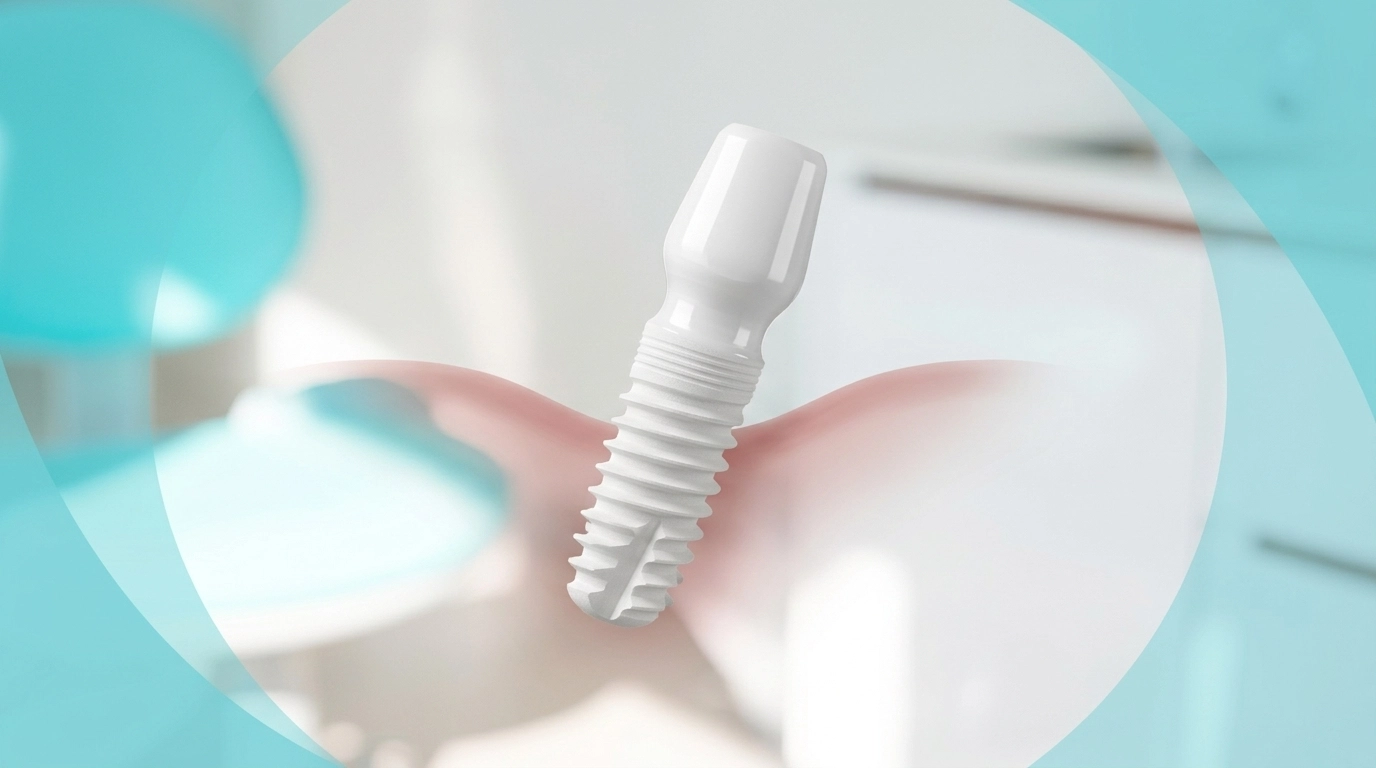
One of the most overlooked consequences of missing teeth is not simply the space in the smile, but the gradual loss of chewing efficiency, nutrition, jawbone support, and overall health. In my clinical experience, many patients first come in concerned about appearance, yet functionally this affects far more than the teeth alone.
When a tooth is lost, the surrounding bone is no longer stimulated in the same way during chewing. Over time, that area can begin to shrink, adjacent teeth may drift, and the bite can become less stable. What many patients do not realise is that this process can influence everything from food choices and digestion to speech, confidence, and long-term oral balance.
For patients seeking a premium, metal-free option, ceramic dental implants have become an increasingly important part of modern restorative care. From a biological perspective, they allow us to replace missing teeth in a way that supports both aesthetics and biocompatibility, which is why they are so closely associated with biological dentistry and holistic dentistry.
1. The Clinical Problem: Missing Teeth Affect More Than Your Smile
Missing teeth create a clinical problem that goes well beyond cosmetics. A gap in the mouth changes the way forces are distributed when you bite and chew. This can overload neighbouring teeth, contribute to gum issues, and place greater strain on the jaw joints and facial musculature.
In my clinical experience, patients often adapt quietly over time. They chew on one side, avoid certain foods, or tolerate discomfort without realising how much function they have lost. The difficulty is that these small adaptations can gradually lead to larger problems, including bone loss, bite collapse, and reduced quality of life.
For this reason, replacing a missing tooth is not just about restoring confidence. It is about restoring biology, structure, and function in a way that supports long-term health.
2. Why It Happens: The Science Behind Tooth Loss and Bone Change
When a natural tooth is present, its root transmits gentle functional forces into the jawbone. This stimulation helps maintain bone density and architecture. Once the tooth is removed or lost, that stimulation is reduced, and the body begins to remodel the area. In simple terms, the bone starts to resorb because it no longer has the same job to do.
At the same time, the surrounding soft tissue can change, neighbouring teeth may tilt, and the opposing tooth may over-erupt. What begins as a single missing tooth can therefore become a wider functional issue if left untreated.
From a biological perspective, the choice of replacement material also matters. Traditional implants have often been made from titanium, which has served dentistry well. However, some patients prefer a metal-free option due to concerns about sensitivities, aesthetics, or a broader interest in holistic dentistry. Zirconia, the material used in ceramic dental implants, offers a highly biocompatible alternative with excellent strength and a tooth-coloured appearance.
3. Why It Matters: Oral Health and Systemic Health Are Connected
At Nuffield Holdings, we take an integrated view of health. The mouth does not function in isolation, and chronic oral issues can have wider implications for overall wellbeing.
When chewing is compromised, patients may shift towards softer, more processed foods, which can affect nutrition. When a missing tooth is not replaced, plaque-retentive areas may develop, gum inflammation can worsen, and bite mechanics can become less stable. Over time, this can influence not only oral health, but comfort, digestion, sleep quality, and confidence.
What many patients do not realise is that persistent inflammation in the mouth may also place unnecessary stress on the body as a whole. This is one reason why biological dentistry focuses so strongly on material selection, tissue health, and reducing inflammatory burden wherever possible.
For patients exploring care with the best dentist singapore has to offer, these decisions should never be based on aesthetics alone. They should be based on what will serve the body best in the long term.
4. Modern Treatment Solutions: Ceramic (Zirconia) Implants and Biological Dentistry
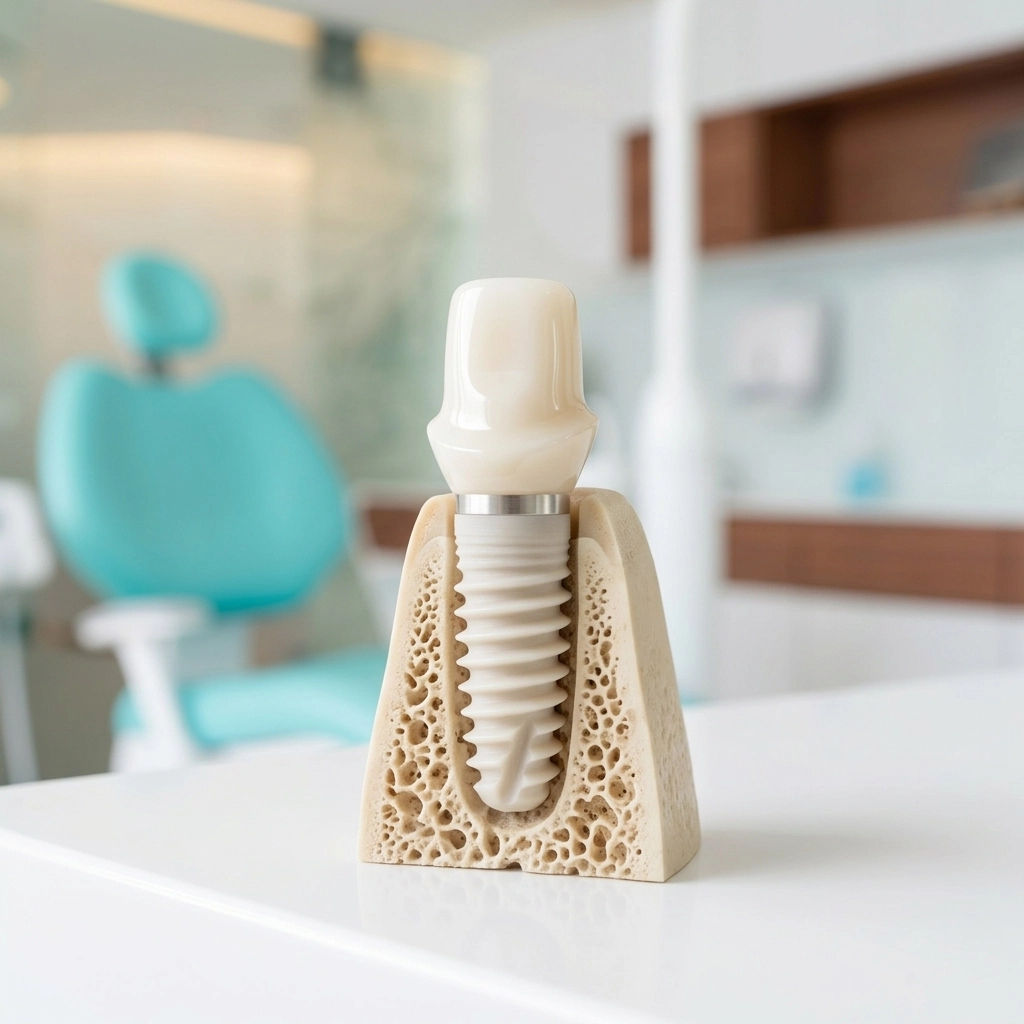
Modern implant dentistry has evolved significantly, and today we are able to offer solutions that are both highly functional and biologically considerate. In my practice, one of the most important advances has been the development of ceramic dental implants made from zirconia.
From a biological perspective, zirconia is attractive because it is metal-free, non-conductive, corrosion-resistant, and highly biocompatible. It also has a smooth surface profile that may support favourable soft tissue response when managed properly. Aesthetically, its tooth-coloured appearance can be especially beneficial in patients with thin gum tissue or high smile lines, where avoiding a grey metallic show-through is important.
This is where holistic dentistry and modern implantology intersect. Biological dentistry is not about rejecting technology; it is about selecting materials and protocols that work in harmony with the body. That includes precise diagnostics, minimally traumatic surgical techniques, careful management of the gum and bone, and a restorative plan designed for long-term tissue stability.
For suitable patients, ceramic implants can offer an elegant, premium solution that aligns with both function and whole-body thinking.
5. What Patients Can Expect: Clinical Workflow, Comfort and Healing
A well-planned implant journey should feel clear, structured, and reassuring. In my clinical experience, patients do best when they understand exactly what to expect at each stage.
Comprehensive assessment: We begin with a detailed consultation, digital imaging, and clinical examination to assess bone volume, gum health, bite dynamics, and suitability for treatment.
Personalised treatment planning: Every case is different. Some patients are suitable for immediate implant placement after extraction, while others benefit from staged healing or regenerative support first.
Precise implant placement: The procedure is carried out with careful attention to comfort, tissue handling, and ideal implant positioning.
Healing and integration: Over the following weeks and months, the implant integrates with the surrounding bone while the soft tissues mature.
Final restoration: Once stable, a bespoke crown is fitted to restore appearance, chewing efficiency, and bite balance.
Most patients are pleasantly surprised by how manageable the process feels. With modern protocols, thoughtful planning, and the right aftercare, treatment is typically well tolerated and recovery is often straightforward.
6. Long-Term Health Impact: Longevity, Function and Quality of Life

The long-term implications extend beyond oral health. Replacing missing teeth properly helps preserve bite function, support better nutrition, maintain bone, and reduce avoidable strain on the remaining dentition.
A stable, well-integrated ceramic implant can support daily comfort for many years when maintained appropriately. More importantly, it allows patients to eat with confidence, speak naturally, and feel secure in both social and professional settings. That restoration of normality is often just as valuable as the restoration itself.
In my clinical experience, the true value of ceramic dental implants lies in this combination of biological compatibility, function, and longevity. They are not simply a cosmetic upgrade. They are part of a broader, more thoughtful model of biological dentistry that respects the relationship between oral health and overall wellbeing.
Closing Thoughts
If you are considering treatment for missing teeth, it is worth looking beyond the obvious gap and asking what solution will best support your long-term health. My approach has always been to combine precision, comfort, and sound biological principles so that patients receive care that is both advanced and deeply personalised.
For those seeking ceramic dental implants, a holistic dentistry approach, or guidance from the best dentist singapore patients can trust for complex restorative care, the goal should always be the same: to restore health, not just replace teeth.
Dr Samintharaj Kumar CEO & Dual-Qualified Clinician, Nuffield Holdings
For more information on our integrated healthcare services or to book a consultation, please visit our Contact Page.


Comments